A link-in-bio page is a small web page, reached from the one clickable link a social platform gives you, that lists the handful of destinations you actually want visitors to reach — your latest work, your shop, your newsletter, your contact details. That is the whole idea. Everything else about the category is packaging.
The definition, without the mystique
Social platforms are stingy with links. Instagram allows a small handful of profile links, capped, unlabeled, and buried behind a tap. TikTok gives you one, with conditions attached. Captions and comments mostly do not link at all. A link-in-bio page turns that single permitted link into a menu: the visitor taps once in your profile, lands on a page you control, and picks from the destinations you have chosen to offer.
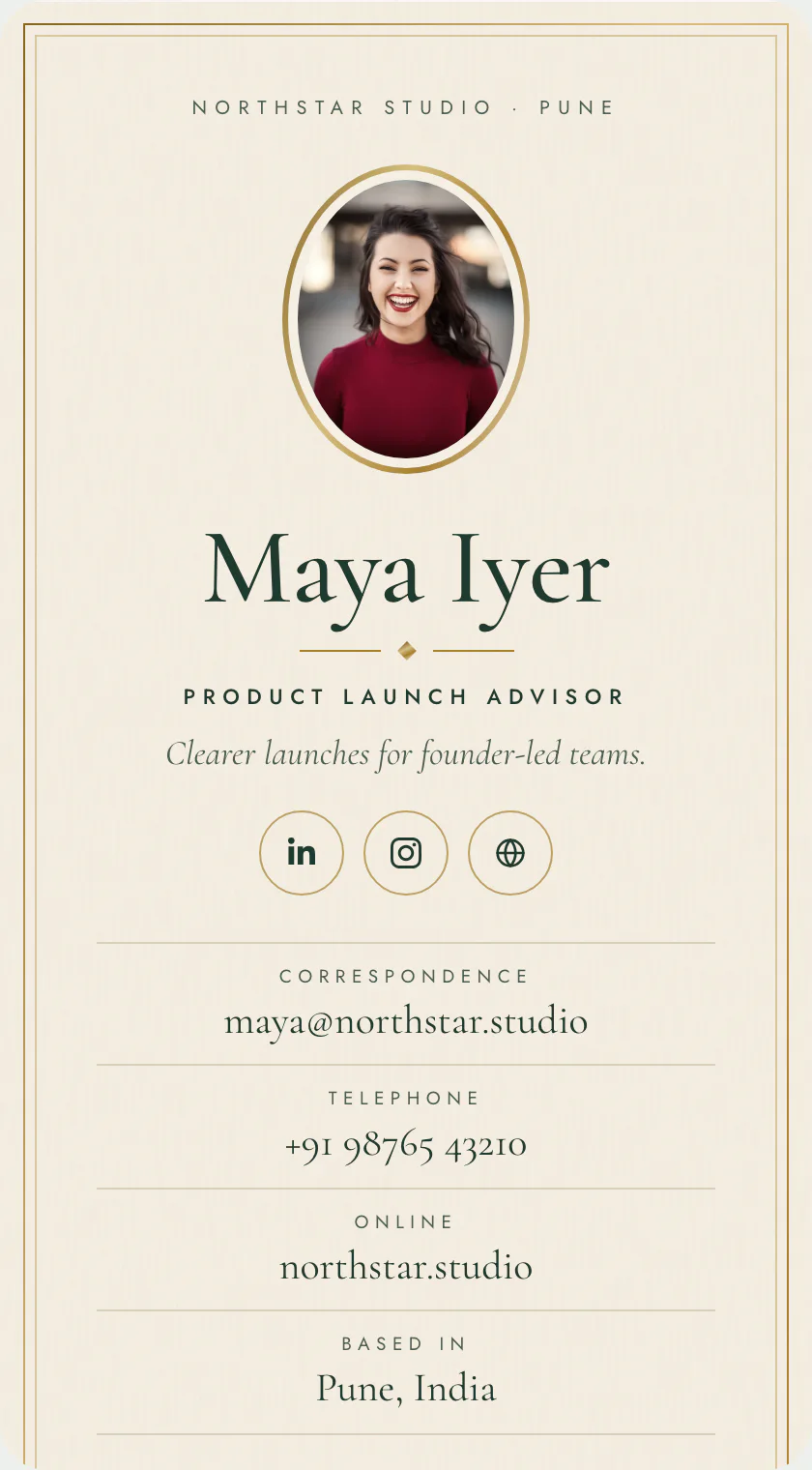
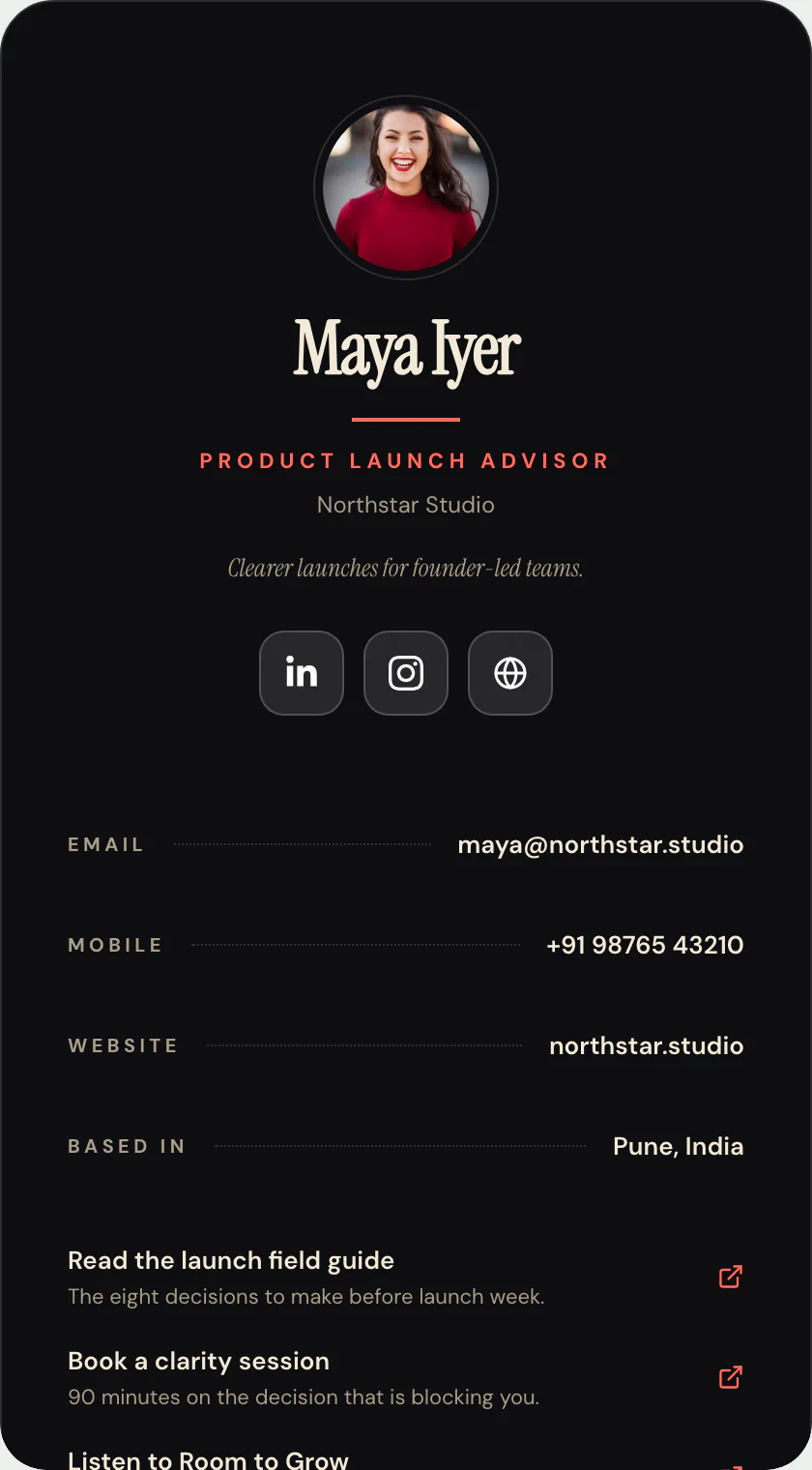
The term describes a location, not a technology. The page itself is ordinary — a URL, a list of labeled links, sometimes an email box or a payment button. Linktree made the format famous, and dozens of tools now make one, but nothing stops a link-in-bio page from being any web page you already own.
Why the category exists at all
The one-link limit is a platform decision, and it shaped creator behavior everywhere. Posting a new project meant sacrificing the old link, so people started pointing their bio at a stable middle page and changing that page instead. The phrase link in bio became an instruction — say it in a caption and your audience knows where to tap.
That stability is the real product. Your profile link never changes; the page behind it changes as often as you like. Printed materials, podcast mentions, and email signatures can all carry the same address for years while the destinations behind it rotate weekly.
When one link is better than a link page
If everything you post drives at a single destination — one shop, one newsletter, one booking calendar — put that destination in your bio directly and skip the intermediate page. Every extra tap loses a slice of visitors, and a menu with one meaningful item is a tax, not a service.
The page earns its place when the honest answer to what do I want visitors to reach is a list. Three destinations that change with your posting schedule is the classic case. A visitor arriving from a specific video should find the thing that video promised at the top, which is an argument developed further in what belongs behind an Instagram bio link.
What separates a good page from a link dump
None of this requires a particular tool. It requires deciding what the page is for, which most link dumps never do.
- The top item honors the most recent post, using the same words the post used
- Labels describe what a visitor gets, not what you made — watch the trailer beats my new video
- The list is short; five links with intent beat fifteen links of archive
- The page carries your name and face clearly enough that a stranger knows they are in the right place
- The address is yours, or at least portable, so a rebrand does not orphan every printed mention
When the page should grow up
A link list answers where should I send people. It does not answer who are you or can I pay you here. When visitors start arriving with those questions, the format has run out — and that boundary between formats is the subject of digital business card vs link in bio. Some tools stop at the list. Pubtact treats the link page as one format among several on the same handle, so the page that starts as a menu can become an about page or a small storefront later without changing its address. Whether you need that today is beside the point; the address you print should not assume you never will.